This site is about helping service teams and managers understand each other better and perform better together.
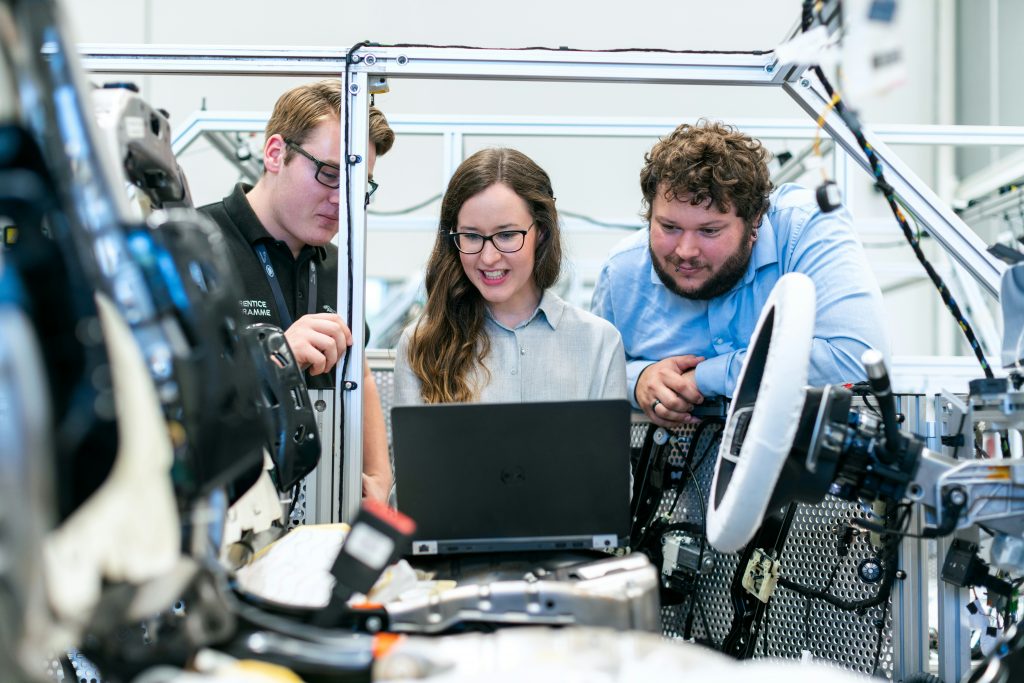
Field service has become far more complex than many people outside it realize. The role is no longer only technical. It often includes customer communication, digital administration, problem-solving, relationship building, travel, planning, coordination, and constant learning. In many ways, field service professionals operate like small businesses inside larger companies, carrying a wide range of responsibilities with a high level of independence.
These roles can be demanding, stressful, and difficult to balance over time. The service manager is often the main link between the company and the field, which makes that relationship especially important. My goal is to help management better understand the daily reality of field service, and to help field professionals better understand the pressures and responsibilities on the management side. I believe stronger mutual understanding and more open communication are essential for sustainable performance, retention, and long-term satisfaction.

where this comes from
I write about field service management, service operations, customer-facing management, and leadership — from the everyday reality of field service to the future of the industry and the challenges that come with it.
My perspective is shaped by more than two decades of hands-on work across electrical distribution, field service, service operations, and global service. I have worked in industries including energy, life science, biotech, and industrial access-control solutions, in both corporate environments and small startups, and have seen both the demanding and rewarding sides of service and leadership.
Over the years, I have worked in both field service and service management, which helped me understand the realities, pressures, and expectations on both sides.
What has remained constant is the extent to which the relationship between managers and field service professionals shapes the organization. It affects trust, performance, customer experience, and business results. When that relationship is weak, everything around it becomes weaker too — performance suffers, good people leave or burn out, customer satisfaction drops, and the business pays the price. When the relationship is strong, trust grows, performance improves, and customers feel the difference.
This site is where I share my insights and the latest research on what helps service teams and leaders perform better, with a particular focus on building stronger field service teams in startups, small companies, and mid-sized businesses that want to scale.
Although most of these principles can be applied across many service and field service environments, my main focus is on life science, technology, and industrial service businesses.
My main interests are the relationships, trust, and connection that support sustainable performance, retention of experienced professionals, and customer satisfaction.
— Igor Ljubic
Founder, Field Service Focus